
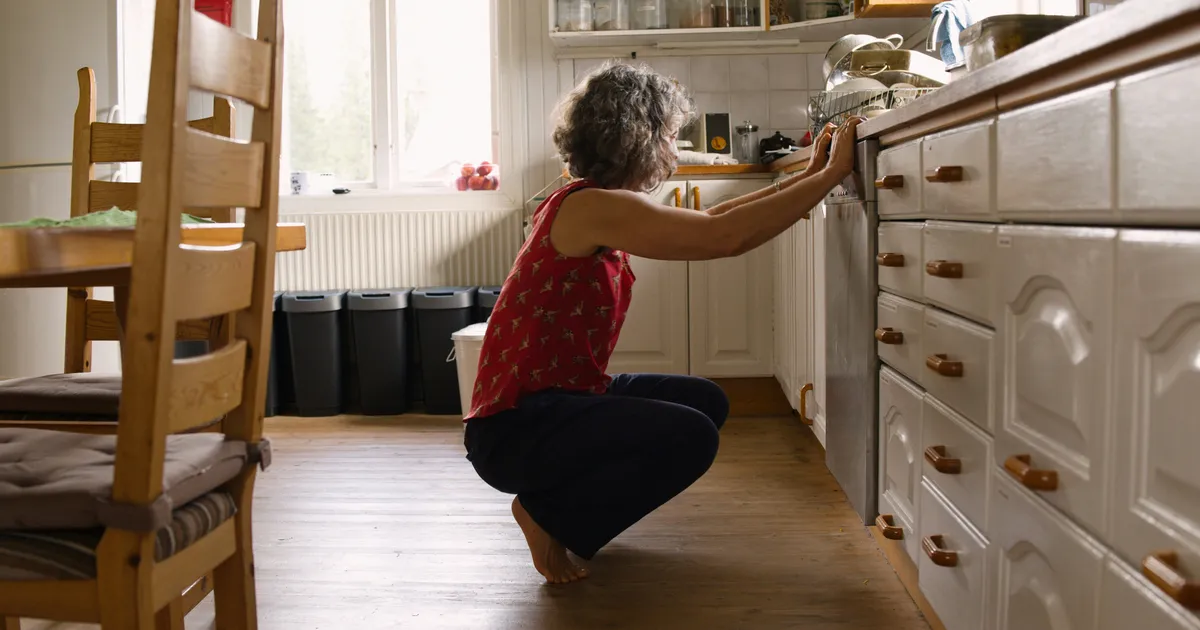

It was a quiet Tuesday morning when I received the call. My grandmother, fiercely independent at 88, had tripped over a loose rug in her living room, resulting in a fractured wrist. The incident, while not life-threatening, was a stark reminder of how easily preventable many senior accidents are. It truly hammered home the critical importance of implementing effective home safety tips for seniors to prevent falls and accidents easily. This wasn’t just about her comfort; it was about preserving her independence and quality of life. My personal experience ignited a deeper dive into practical, impactful solutions that can genuinely make a difference in the lives of our cherished elders.
Illuminate Your World: The Power of Proper Lighting
One of the most insidious culprits behind senior falls is inadequate lighting. As we age, our eyes require more light to perceive depth and contrast accurately, and often, the ambient light we’ve always relied on simply isn’t enough. Dim hallways, shadowy stairwells, and poorly lit bathrooms become treacherous landscapes. I’ve often seen homes where a single overhead bulb is expected to do the work of several, creating dangerous pockets of darkness that are easily overlooked by younger eyes but pose a significant risk to seniors.
To combat this, a layered lighting approach is essential. Think about installing brighter LED bulbs throughout the home, especially in high-traffic areas and near potential obstacles. Motion-sensor lights in hallways and outdoor pathways can provide immediate illumination when needed, reducing the chance of fumbling in the dark. Nightlights in bedrooms, bathrooms, and along routes to the bathroom are also incredibly effective, offering a gentle guide during nighttime excursions and preventing disorientation. Ensuring light switches are easily accessible and clearly marked further enhances safety.
Clear Pathways: Decluttering for a Safer Home
A home that feels lived-in and comfortable can, unfortunately, also be a breeding ground for tripping hazards. Clutter, loose rugs, electrical cords, and even misplaced furniture are common culprits that transform familiar spaces into obstacle courses for seniors. I’ve walked into many homes where the accumulation of years, while holding sentimental value, has inadvertently created a minefield of potential falls. The goal isn’t sterile minimalism, but rather a thoughtful organization that prioritizes clear, unobstructed movement.
Start by identifying and removing all loose rugs and runners, or at the very least, secure them firmly with non-slip backing or double-sided tape. Electrical cords should be neatly bundled and routed along walls, never stretched across walkways. Rearrange furniture to ensure wide, clear paths between rooms and around common areas. Think about the natural flow of movement through the house and eliminate anything that might impede it. This simple act of decluttering not only enhances safety but often creates a more serene and enjoyable living environment.
Bathroom Safety: A Critical Zone for Fall Prevention
The bathroom is arguably the most hazardous room in any senior’s home due to its wet, slippery surfaces and confined spaces. Statistics consistently show that a significant percentage of senior falls occur in the bathroom. The combination of water, hard surfaces, and the need to navigate tricky maneuvers like stepping over tub edges makes it a high-risk area. It’s a space where a moment of imbalance can have severe consequences, emphasizing the need for proactive safety measures.
Begin by ensuring all bathmats are non-slip and firmly adhered to the floor. Consider installing a raised toilet seat if mobility is an issue, as it reduces the distance and effort required to sit and stand. A shower chair or bench can be a game-changer, allowing seniors to wash while seated, significantly reducing the risk of slipping in the shower. These modifications are not about admitting weakness; they are about intelligently adapting the environment to support continued independence and dignity for years to come, making bathroom routines safer and more manageable.
The Lifeline of Grab Bars
Perhaps the single most impactful safety addition to any senior’s bathroom is the installation of sturdy grab bars. These aren’t just for aesthetics; they are literal lifelines, providing crucial support when entering or exiting the shower or tub, and when standing up from the toilet. I always recommend professional installation to ensure they are securely anchored into wall studs, capable of supporting a person’s full weight. Avoid suction-cup versions, as they can fail unexpectedly and offer a false sense of security, which is more dangerous than no grab bar at all.
Stairway Safety: Navigating Levels with Confidence
Stairs, while often a necessary feature of a multi-level home, present an undeniable fall risk for seniors. The combination of declining vision, balance issues, and reduced muscle strength can make navigating them a perilous task. I’ve heard countless stories of seniors avoiding entire sections of their homes because they felt unsafe on the stairs. This isn’t a situation to be ignored; it’s a call to action to make these essential thoroughfares as secure as possible, allowing full access to the home. The National Institute on Aging offers excellent resources on creating a fall-safe home environment, which includes detailed guidance on stair modifications at NIA.gov.
The first step is to ensure all stairways are well-lit, preferably with switches at both the top and bottom. Install sturdy handrails on both sides of the staircase, extending beyond the first and last steps for added support when ascending or descending. Make sure stair treads are in good repair, free from wear, tears, or loose carpeting. If carpeting is present, it should be thin, tightly woven, and securely fastened. For homes where stairs are a constant challenge, consider options like stairlifts or relocating essential living areas to the ground floor as a long-term solution for 2026 and beyond.
Kitchen and General Appliance Safety
The kitchen, a hub of activity and nourishment, also holds its share of potential hazards for seniors. Spills, reaching for high shelves, and operating appliances can all lead to accidents if not approached with caution. Beyond the kitchen, general appliance use throughout the home also warrants attention. My goal is always to empower seniors to continue enjoying their homes, including preparing meals and managing daily tasks, but with an emphasis on making these activities as safe and effortless as possible.
In the kitchen, ensure frequently used items are stored within easy reach, ideally between waist and shoulder height, to avoid excessive bending or reaching. Use a sturdy step stool with a handrail if reaching higher items is necessary, never a chair or unstable object. Check that appliance cords are in good condition and not frayed, and that outlets aren’t overloaded. Consider appliances with automatic shut-off features for added peace of mind. For general safety, ensure smoke detectors and carbon monoxide detectors are installed, tested regularly, and have fresh batteries, ideally updated to current 2026 standards, as recommended by organizations like the NFPA. Keep a clearly marked, easily accessible fire extinguisher in the kitchen, and ensure everyone knows how to use it.
Key Takeaways
- Layered Lighting is Non-Negotiable: Implement brighter LED bulbs, motion-sensor lights, and nightlights in key areas to eliminate shadows and improve visibility, significantly reducing fall risks day and night.
- Prioritize Clear Pathways: Aggressively declutter homes by removing loose rugs, securing electrical cords, and rearranging furniture to create wide, unobstructed routes, preventing trips and stumbles.
- Transform Bathrooms into Safe Havens: Install sturdy, professionally anchored grab bars in showers/tubs and near toilets, use non-slip mats, and consider shower chairs or raised toilet seats to mitigate the high fall risk in wet environments.
- Ensure Stairway Security: Equip all stairs with well-lit switches at both ends and secure handrails on both sides. Address any loose treads or worn carpeting to make navigating levels safer and more confident.
Frequently Asked Questions
What is the most common cause of falls in seniors?
The most common cause of falls in seniors is a combination of factors, including environmental hazards like loose rugs or poor lighting, age-related physical changes such as decreased balance, muscle weakness, and impaired vision, and sometimes side effects from medications. It’s rarely one single cause, but rather a confluence of these elements.
How often should home safety checks be performed for seniors?
Ideally, a comprehensive home safety check should be performed annually, or whenever there’s a significant change in a senior’s mobility, vision, or health status. Regular, informal checks should also occur whenever family members or caregivers visit, keeping an eye out for new hazards or concerns.
Are there any technology solutions to help prevent falls?
Absolutely! Beyond basic lighting and grab bars, wearable fall detection devices can automatically alert emergency contacts if a fall occurs. Smart home systems can control lighting, offer voice-activated controls to minimize movement, and even integrate with monitoring systems for added peace of mind. These technologies are constantly evolving and becoming more accessible by 2026.
What should be done immediately after a senior experiences a fall?
First, assess for injuries without moving the person unless absolutely necessary (e.g., if they are in immediate danger). Call for medical help if there’s any suspicion of injury, especially a head injury or fracture. Once medical attention is provided, thoroughly investigate what caused the fall to prevent recurrence, addressing any environmental hazards promptly.
Conclusion
Creating a fall-safe home for seniors is not just about installing a few devices; it’s about fostering an environment where they can live independently and confidently, free from the constant worry of accidents. My personal journey has reinforced that these modifications are an investment in dignity, comfort, and peace of mind for both seniors and their families. By taking proactive steps, we can significantly reduce risks, ensuring our loved ones can continue to thrive in the comfort of their own homes for many years to come.