
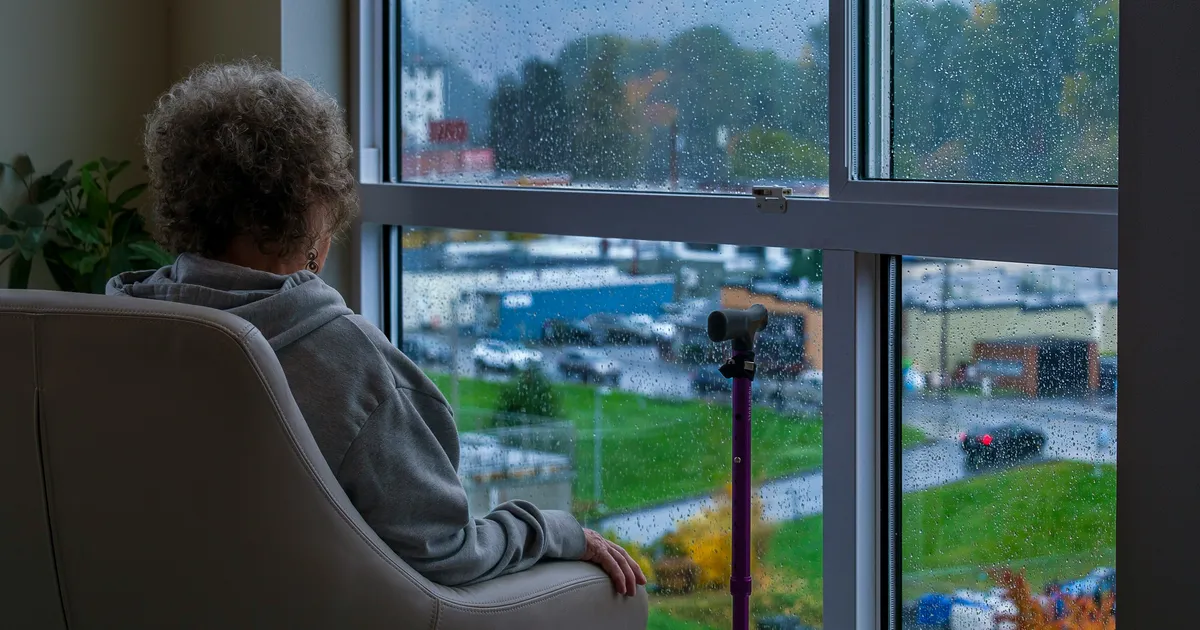

Winterizing a senior home to prevent cold weather slips is crucial, especially in 2026, as the winter season can be harsh and unforgiving. As we age, our bodies become more susceptible to injury, and slippery surfaces can be particularly hazardous. According to the Centers for Disease Control and Prevention (CDC), falls are a leading cause of injury and death among older adults. To prevent such accidents, it’s essential to take proactive measures to winterize a senior home. In this article, we’ll explore a comprehensive checklist to help you prepare a senior home for the cold weather.
Assess Home
Before winterizing a senior home, it’s essential to assess the property for potential hazards. Look for areas that may be prone to ice or water accumulation, such as sidewalks, driveways, and entranceways. Check the condition of handrails, steps, and walkways to ensure they are secure and even. You can also visit the National Institute on Aging website for more information on home safety.
It’s also important to consider the senior’s mobility and accessibility needs. For example, if the senior uses a wheelchair, ensure that the entranceway and walkways are wide enough and free from obstacles. You can also consult with a healthcare professional or a home safety expert for personalized advice.
In 2026, many homeowners are turning to smart home technology to enhance home safety. Consider investing in smart doorbells with cameras or motion-sensing lights to improve visibility and security.
Clear Clutter
Clearing clutter from the home and surrounding areas is vital to prevent slips and falls. Remove any tripping hazards, such as throw rugs, cords, or objects that may be obstructing walkways. Organize storage areas, such as closets and garages, to prevent clutter from accumulating. You can also consider hiring a professional organizer to help with the task.
In addition to clearing clutter, it’s essential to ensure that the home is well-lit. Install nightlights or motion-sensing lights in areas that may be dark or hard to navigate. This will help prevent accidents and improve overall home safety.
Remember to also check the expiration dates of any medications and ensure that the senior has a reliable means of communication, such as a phone or emergency response system.
Secure Handrails
Securing handrails is crucial to preventing slips and falls. Check that all handrails are sturdy and securely attached to the wall. Consider installing additional handrails in areas that may be particularly hazardous, such as stairs or entranceways. You can also consult with a contractor or handyman to ensure that the handrails are properly installed.
It’s also important to ensure that the senior has a reliable means of support when walking or navigating the home. Consider investing in a walker or cane with a secure grip to provide additional stability.
In 2026, many seniors are turning to online resources, such as the AARP website, for information on home safety and fall prevention.
Check Local Resources
Checking local resources is essential to ensuring that the senior has access to the support and services they need. Research local home safety programs, such as those offered by the Area Agency on Aging, to learn more about available resources. You can also consult with a social worker or care manager to develop a personalized care plan.
Prepare Emergency Kit
Preparing an emergency kit is crucial in case of a power outage or other emergency. Include essential items, such as flashlights, batteries, and a first aid kit. Consider investing in a portable charger or backup power source to ensure that the senior has access to vital equipment, such as oxygen tanks or medical devices. You can also visit the American Red Cross website for more information on emergency preparedness.
It’s also important to ensure that the senior has a reliable means of communication, such as a cell phone or two-way radio, in case of an emergency. Consider investing in a medical alert system or emergency response service to provide additional support.
In 2026, many seniors are turning to online resources, such as the National Council on Aging website, for information on emergency preparedness and disaster planning.
Check Heating System
Checking the heating system is essential to ensure that the senior stays warm and safe during the cold weather. Have the heating system inspected and maintained by a professional to ensure that it’s working efficiently and effectively. Consider investing in a smart thermostat to regulate the temperature and optimize energy efficiency. You can also visit the Energy.gov website for more information on energy efficiency and home heating.
It’s also important to ensure that the senior has access to warm clothing and blankets in case the heating system fails. Consider investing in a portable heater or backup heating source, such as a fireplace or wood stove, to provide additional warmth.
Remember to also check the senior’s insurance coverage to ensure that they have adequate protection in case of an emergency or accident.
Key Takeaways
- Assess the home for potential hazards and take proactive measures to winterize
- Clear clutter and ensure that the home is well-lit
- Secure handrails and provide additional support for the senior
- Prepare an emergency kit and ensure that the senior has access to vital equipment
- Check the heating system and ensure that the senior has access to warm clothing and blankets
- Consult with local resources and professionals to develop a personalized care plan
Frequently Asked Questions
What are the most common hazards in a senior home?
The most common hazards in a senior home include slippery surfaces, tripping hazards, and poor lighting. It’s essential to take proactive measures to address these hazards and prevent accidents.
How can I ensure that the senior has access to vital equipment in case of an emergency?
Consider investing in a portable charger or backup power source to ensure that the senior has access to vital equipment, such as oxygen tanks or medical devices. You can also consult with a healthcare professional or medical supply company for personalized advice.
What are some resources available to help me winterize a senior home?
There are many resources available to help you winterize a senior home, including the National Institute on Aging, the AARP, and the Area Agency on Aging. You can also consult with a healthcare professional or home safety expert for personalized advice.
How can I prevent falls in a senior home?
To prevent falls in a senior home, it’s essential to take proactive measures to address potential hazards, such as slippery surfaces and tripping hazards. Consider investing in handrails, non-slip mats, and motion-sensing lights to improve home safety.
What are some tips for emergency preparedness in a senior home?
Some tips for emergency preparedness in a senior home include preparing an emergency kit, ensuring that the senior has access to vital equipment, and developing a personalized care plan. You can also consult with a healthcare professional or emergency management expert for personalized advice.
Conclusion
In conclusion, winterizing a senior home is crucial to preventing cold weather slips and falls. By following this comprehensive checklist, you can take proactive measures to ensure that the senior stays safe and warm during the cold weather. Remember to consult with local resources and professionals to develop a personalized care plan and ensure that the senior has access to the support and services they need. In 2026, it’s more important than ever to prioritize home safety and take proactive measures to prevent accidents and injuries.