
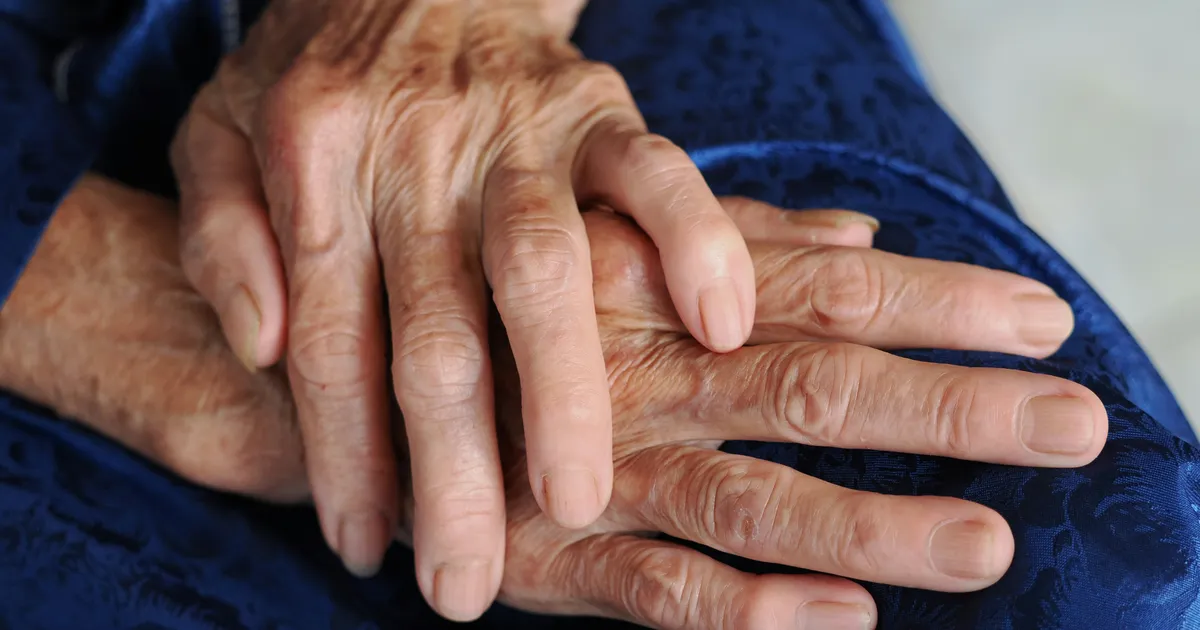

It’s often said that age is just a number, but when the creaks get louder, the steps get slower, and the memory occasionally plays hide-and-seek, it’s clear that our bodies undergo significant transformations. I remember my own grandmother, fiercely independent, initially dismissing her increasing fatigue and joint stiffness as “just getting older.” It wasn’t until a minor fall led to a diagnosis of osteoporosis that we truly understood the critical importance of recognizing the subtle signs of aging health issues and addressing them proactively. This isn’t about fearing aging; it’s about embracing it with knowledge, ensuring that our later years are marked by vitality and well-being, not just by the passage of time.
Understanding Cardiovascular Changes
As we gracefully progress through life, our cardiovascular system, the tireless engine of our bodies, naturally experiences wear and tear. Arteries can stiffen, blood pressure might creep upward, and the heart muscle itself may become slightly less efficient at pumping blood. These changes, while common, are not inevitable precursors to serious illness, but rather crucial indicators that warrant our attention and proactive management. Ignoring persistent high blood pressure or unusual shortness of breath could escalate into more significant concerns down the line, impacting overall quality of life.
The good news is that many age-related cardiovascular shifts can be effectively managed and even mitigated through informed lifestyle choices. Regular physical activity, a balanced diet rich in fruits, vegetables, and whole grains, and maintaining a healthy weight are paramount. It’s equally important to schedule routine check-ups with your doctor, who can monitor your blood pressure, cholesterol levels, and heart rhythm. Early detection of any anomalies allows for timely interventions, whether through medication or more intensive lifestyle modifications, helping you keep your heart strong for decades to come.
Maintaining Bone and Joint Strength
One of the most common complaints I hear from individuals entering their golden years revolves around their bones and joints. Conditions like osteoarthritis, characterized by the breakdown of cartilage, and osteoporosis, which weakens bones, can significantly impact mobility and independence. The dull ache in a knee, the stiffness in the morning, or the fear of a fall due to brittle bones are not merely nuisances; they are tangible signs that our skeletal system requires focused care and attention to prevent further deterioration and pain.
Taking a proactive stance on bone and joint health involves a multi-faceted approach. Weight-bearing exercises, such as walking, dancing, or light strength training, are crucial for maintaining bone density and strengthening surrounding muscles that support joints. Adequate intake of calcium and Vitamin D, whether through diet or supplementation, is non-negotiable. Furthermore, consulting with a physical therapist can provide tailored exercise programs, while medical professionals can offer treatments ranging from anti-inflammatory medications to advanced therapies, ensuring your framework remains robust.
Navigating Cognitive Shifts
The mind, our most complex organ, also experiences its own unique journey through the aging process. While it’s normal to occasionally misplace keys or forget a name, persistent memory lapses, difficulty with problem-solving, or changes in personality can be concerning signs of aging health issues related to cognitive function. These aren’t just “senior moments”; they can sometimes signal underlying conditions that require professional evaluation, differentiating between typical age-related changes and more serious concerns like mild cognitive impairment or dementia.
Distinguishing Normal Forgetfulness
It’s crucial to understand that not every instance of forgetfulness is a red flag for dementia. Forgetting where you parked your car is common; forgetting how to drive your car is not. Normal age-related memory changes often involve a slower processing speed or occasional difficulty recalling specific details, but the information usually comes back eventually. True cognitive decline, however, might manifest as difficulty performing familiar tasks, confusion about time or place, or significant changes in judgment that impact daily life.
Fortunately, maintaining cognitive vitality is increasingly recognized as a dynamic process, not a passive one. Engaging in mentally stimulating activities like learning a new language, playing challenging games, or reading extensively can build cognitive reserves. A heart-healthy diet, rich in omega-3 fatty acids and antioxidants, also supports brain function. Social interaction, adequate sleep, and managing stress are equally vital components. By prioritizing these elements, we can strive to keep our minds sharp and resilient, facing the challenges of 2026 and beyond with clarity.
Managing Metabolic Health
As we age, our metabolism naturally slows down, making it easier to gain weight and harder to lose it. This shift, combined with potential changes in insulin sensitivity, can significantly increase the risk of developing conditions like Type 2 diabetes. Unexplained fatigue, increased thirst, frequent urination, or blurred vision are critical signs of aging health issues related to metabolic dysfunction that should never be ignored. Left unaddressed, these issues can lead to severe long-term complications affecting nearly every organ system.
Proactive management of metabolic health is about empowering ourselves with sustainable lifestyle choices. Regular, moderate exercise, incorporating both cardio and strength training, helps improve insulin sensitivity and maintain a healthy weight. A diet focused on whole, unprocessed foods, with limited sugar and refined carbohydrates, is foundational. Regular blood sugar screenings and discussions with your doctor about your metabolic profile are essential for early detection and intervention. Embracing these habits can help you navigate the metabolic challenges of aging and maintain vibrant health well into 2026.
Addressing Sensory Impairments
Our senses are our windows to the world, and their gradual decline can profoundly impact our quality of life and safety. Presbyopia (farsightedness), cataracts, glaucoma, and age-related macular degeneration can diminish vision, while presbycusis, or age-related hearing loss, can make social interactions challenging and even lead to isolation. These changes often occur subtly, making it easy to dismiss them until they significantly interfere with daily activities. Recognizing these shifts early is vital for maintaining connection and independence.
Regular preventative care is the cornerstone of preserving sensory function. Annual eye exams can detect conditions like glaucoma or cataracts in their early stages when they are most treatable. Similarly, routine hearing tests can identify hearing loss, allowing for timely intervention with hearing aids or other assistive devices. Avoiding excessive noise exposure, protecting your eyes from UV light, and ensuring proper nutrition (especially antioxidants for eye health) are also crucial steps. Embracing assistive technologies and staying vigilant about sensory changes helps ensure a rich and connected life.
Key Takeaways
- Proactive Monitoring is Essential: Don’t dismiss new aches, changes in energy, or cognitive shifts as merely “getting older.” Regular medical check-ups and open communication with your doctor are crucial for early detection and intervention, transforming potential problems into manageable conditions.
- Lifestyle is Your Strongest Ally: A balanced diet, consistent physical activity (including strength and flexibility), adequate sleep, and stress management are not just recommendations; they are foundational pillars for mitigating age-related health issues across all systems, from cardiovascular to cognitive.
- Cognitive and Sensory Health Demand Attention: While some memory lapses and sensory declines are normal, persistent or significant changes warrant professional evaluation. Engaging in mentally stimulating activities, maintaining social connections, and utilizing assistive technologies can significantly enhance quality of life.
- Empowerment Through Education: Understanding the common signs of aging health issues empowers you to make informed decisions about your health, advocate for your needs, and actively participate in designing a wellness plan that supports a vibrant, independent, and fulfilling life for years to come.
Frequently Asked Questions
Is all memory loss a sign of dementia?
Absolutely not. Many factors can contribute to temporary memory lapses, including stress, lack of sleep, certain medications, or even nutritional deficiencies. While it’s normal to experience minor forgetfulness as you age, significant and persistent memory problems that interfere with daily life, such as getting lost in familiar places or struggling with basic tasks, warrant a professional medical evaluation to rule out conditions like dementia.
How often should I get health screenings as I age?
The frequency of health screenings can vary based on individual risk factors, family history, and existing conditions. However, a general guideline for adults over 50 often includes annual physicals, blood pressure checks, cholesterol screenings, and diabetes screenings. Women should continue with mammograms and bone density tests, while men should discuss prostate cancer screenings. Eye and hearing exams are also recommended annually or biennially. Always consult your doctor for a personalized screening schedule.
Can lifestyle really reverse aging health issues?
While lifestyle changes cannot entirely reverse the biological process of aging, they can significantly slow the progression of many age-related health issues and, in some cases, even improve conditions. For example, adopting a heart-healthy diet and regular exercise can lower blood pressure and cholesterol, reducing the risk of cardiovascular disease. Similarly, weight management and physical activity can improve blood sugar control in individuals with Type 2 diabetes. Consistency and commitment are key.
What’s the most important thing for healthy aging in 2026?
In 2026, and indeed always, the most important thing for healthy aging is a holistic, proactive approach to well-being. This encompasses not just physical health through diet and exercise, but also mental stimulation, strong social connections, emotional resilience, and regular preventative medical care. Embracing a mindset of lifelong learning and adapting to changes with optimism and informed decisions will be paramount for thriving in our later years.
Conclusion
Navigating the journey of aging doesn’t have to be a path of inevitable decline; it can be an empowering experience filled with informed choices and proactive care. By understanding the common signs of aging health issues and embracing proper management strategies, we can significantly influence our quality of life. Remember, your body provides subtle cues, and listening to them, coupled with expert guidance, is the key to unlocking a future of continued vitality and independence. Embrace the wisdom of age with the vigor of informed action.