
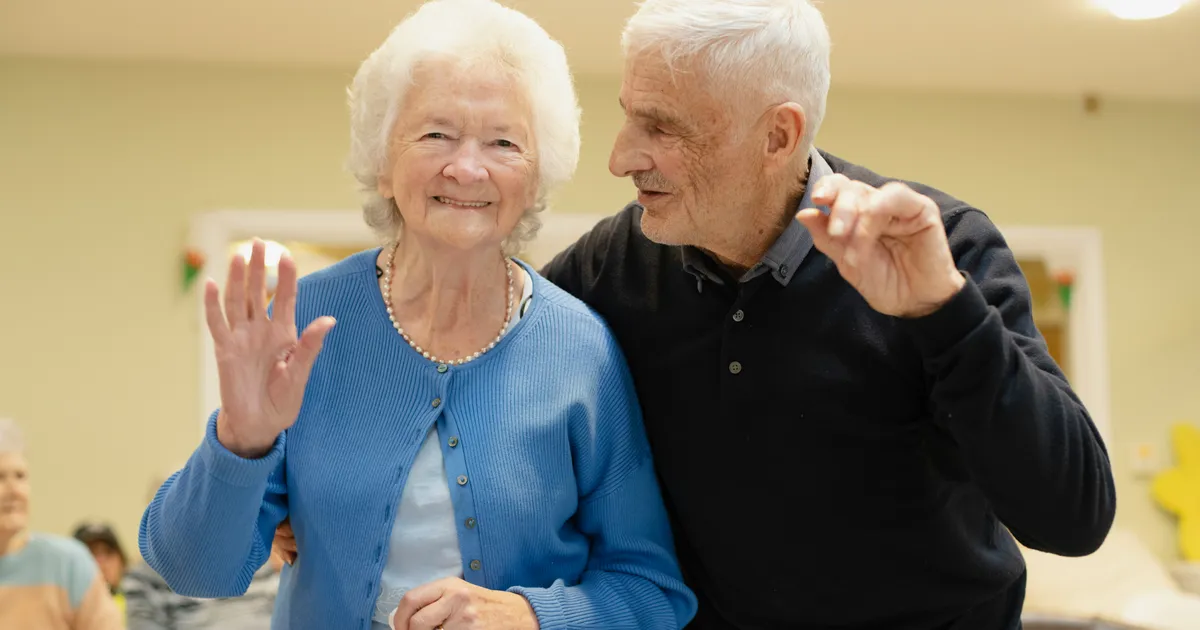

I often hear people talk about aging as if it’s an inevitable descent into frailty, but having witnessed countless individuals thrive well into their later years, I know that couldn’t be further from the truth. In fact, many of the health challenges we associate with old age are often preventable or manageable with the right lifestyle choices. This complete senior health guide, focusing on diet, exercise, and preventive care, isn’t about halting time; it’s about empowering you to live your most vibrant, fulfilling life, regardless of your birth year. It’s about shifting the narrative from passive decline to active, joyful living, ensuring your golden years truly shine.
Fueling Your Golden Years: Nutrition
As we age, our nutritional needs subtly shift, often requiring fewer calories but a greater density of nutrients. It’s not just about what you eat, but how those foods support cellular function, energy levels, and disease prevention. Prioritizing whole, unprocessed foods like lean proteins, colorful fruits and vegetables, and healthy fats is paramount. Think of your plate as a canvas for vitality, ensuring adequate fiber intake for digestive health and bone-strengthening calcium and vitamin D, crucial for maintaining skeletal integrity against osteoporosis, a common concern as we approach 2026.
Beyond the basics, specific nutrients become increasingly important. Vitamin B12 absorption can decrease with age, necessitating supplements or fortified foods to support nerve function and red blood cell production. Omega-3 fatty acids, found in fatty fish like salmon, are excellent for brain health and reducing inflammation. It’s also vital to manage portion sizes and be mindful of hidden sugars and sodium that can contribute to chronic conditions like diabetes and hypertension. Consulting a registered dietitian can provide personalized guidance tailored to your unique health profile and any existing medical conditions.
The Unsung Hero: Hydration
One of the most overlooked aspects of senior nutrition is adequate hydration. Thirst signals can diminish with age, making it easier to become dehydrated without realizing it. Dehydration can lead to fatigue, dizziness, confusion, and even increase the risk of falls. Aim for at least 6-8 glasses of water daily, and remember that herbal teas, broths, and water-rich fruits and vegetables also contribute to your fluid intake. Keep a water bottle handy and sip regularly throughout the day, making it a consistent habit rather than waiting for thirst to strike.
Motion is Medicine: Exercise for Seniors
The adage “use it or lose it” applies perfectly to physical activity in our later years. Regular exercise isn’t just about maintaining weight; it’s a powerful tool for preserving muscle mass, bone density, flexibility, and cardiovascular health. A well-rounded senior fitness routine should ideally incorporate four key components: endurance, strength, flexibility, and balance. Even moderate activity, such as a brisk 30-minute walk most days of the week, can yield profound health benefits, improving mood and cognitive function.
Finding activities you genuinely enjoy is key to long-term adherence. This could be swimming, gardening, dancing, or even chair yoga. Strength training with light weights or resistance bands helps combat sarcopenia, the age-related loss of muscle mass, while balance exercises like Tai Chi significantly reduce the risk of falls. Always consult with your doctor before starting any new exercise regimen, especially if you have pre-existing conditions, to ensure it’s safe and appropriate for your individual needs. Remember, consistency and proper form are far more important than intensity.
Proactive Protection: Preventive Care
Preventive care is the cornerstone of healthy aging, shifting the focus from treating illness to maintaining wellness and catching potential issues early. This means adhering to a schedule of regular medical check-ups, even when you feel perfectly fine. These appointments are vital opportunities for your doctor to monitor blood pressure, cholesterol, blood sugar, and discuss any changes in your health or lifestyle. Early detection of conditions like high blood pressure or certain cancers dramatically improves treatment outcomes and quality of life.
Beyond general check-ups, staying up-to-date on recommended vaccinations is incredibly important for seniors. The flu shot, pneumonia vaccine, and shingles vaccine can protect against serious, potentially life-threatening illnesses. Regular screenings, such as colonoscopies, mammograms, and bone density tests, are also critical components of a comprehensive preventive strategy. Discuss with your healthcare provider which screenings are appropriate for you based on your age, gender, and personal risk factors. Organizations like the Centers for Disease Control and Prevention offer excellent resources on recommended screenings for older adults.
Nurturing the Mind: Mental & Emotional Health
Our mental and emotional well-being is just as vital as our physical health, and often inextricably linked. Engaging in activities that challenge your brain, such as learning a new language, solving puzzles, or picking up a new hobby, can help maintain cognitive function and memory as we age. It’s about keeping your mind agile and stimulated, building new neural pathways, and embracing lifelong learning. This proactive approach contributes significantly to overall brain health and resilience.
Managing stress, coping with loss, and maintaining a positive outlook are also critical. Depression and anxiety are not normal parts of aging and should be addressed promptly. Don’t hesitate to seek support from family, friends, support groups, or a mental health professional if you’re struggling. Practicing mindfulness, spending time in nature, or engaging in creative pursuits can also be powerful tools for emotional regulation. The National Institute on Aging provides valuable insights into maintaining cognitive vitality.
The Power of Connection: Social Engagement
Humans are inherently social creatures, and maintaining strong social connections becomes increasingly important as we age. Loneliness and social isolation have been linked to a range of negative health outcomes, including increased risk of heart disease, stroke, and even dementia. Actively seeking out opportunities for social interaction and engagement can significantly improve both mental and physical health. This could involve volunteering, joining clubs, attending community events, or simply staying in regular contact with loved ones.
Finding a sense of purpose is another powerful driver of well-being in later life. Whether it’s through mentoring, creative endeavors, or contributing to your community, having something meaningful to wake up for each day can boost morale and provide a profound sense of satisfaction. Embrace technology to stay connected with distant family and friends, and explore new avenues for social interaction in your local area. Cultivating and nurturing these relationships is an investment in your long-term happiness and health, truly enriching your life in 2026 and beyond.
Key Takeaways
- Holistic Approach: A comprehensive senior health strategy integrates balanced nutrition, regular physical activity, and proactive preventive care for optimal well-being.
- Personalized Nutrition: Focus on nutrient-dense whole foods, ensuring adequate protein, fiber, and specific vitamins like B12 and D, while staying well-hydrated.
- Diverse Exercise Regimen: Incorporate endurance, strength, flexibility, and balance exercises to maintain mobility, muscle mass, bone density, and reduce fall risk.
- Proactive Prevention: Prioritize regular medical check-ups, age-appropriate screenings, and recommended vaccinations to detect and address health issues early, safeguarding future health.
Frequently Asked Questions
What are the most common nutritional deficiencies in seniors?
Seniors commonly experience deficiencies in Vitamin B12, Vitamin D, calcium, and often fiber. These can stem from reduced absorption, decreased dietary intake, or certain medications. Addressing these through diet or supplementation, under medical guidance, is crucial for bone health, nerve function, and digestion.
How much exercise is truly necessary for older adults?
The general recommendation for older adults is at least 150 minutes of moderate-intensity aerobic activity per week, along with muscle-strengthening activities two or more days a week. Balance exercises are also highly recommended. Even short bursts of activity are beneficial, and consistency is more important than strenuous workouts.
What are the most important preventive screenings for seniors?
Key preventive screenings include blood pressure checks, cholesterol tests, diabetes screenings, colonoscopies for colorectal cancer, mammograms for breast cancer (for women), bone density scans, and appropriate cancer screenings based on individual risk factors. Regular eye and hearing exams are also vital.
How can seniors maintain good mental health and avoid isolation?
Maintaining good mental health involves staying socially connected through family, friends, and community groups, engaging in mentally stimulating activities, pursuing hobbies, and maintaining a sense of purpose. If feelings of loneliness or depression persist, seeking help from a mental health professional is a critical step.
Conclusion
Embracing your senior years with vitality and purpose is entirely within reach. By adopting a comprehensive approach that prioritizes a nutrient-rich diet, consistent physical activity, diligent preventive care, robust mental health, and meaningful social connections, you lay the groundwork for a truly enriching chapter of life. This complete senior health guide serves not as a rigid set of rules, but as an empowering roadmap, encouraging you to make informed choices that foster well-being, resilience, and joy every single day.