
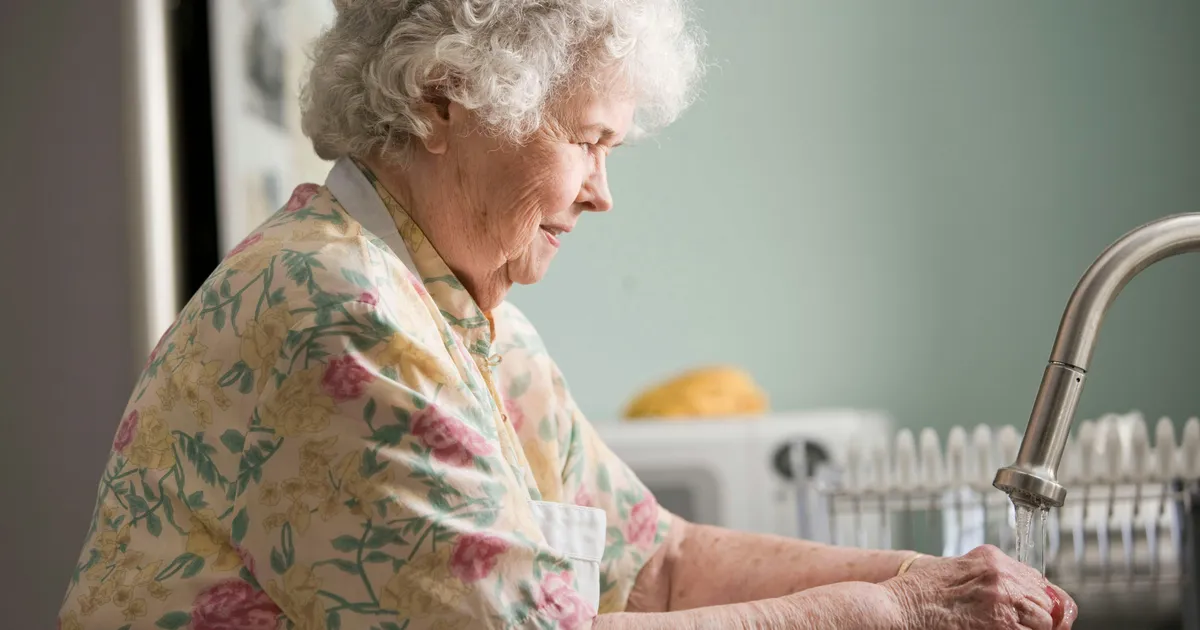

One of the most profound lessons I ever learned about aging gracefully came not from a textbook, but from my grandmother, who at 92, still tended her garden daily. She taught me that a fulfilling senior life isn’t about grand gestures, but about the quiet power of consistency. Establishing a thoughtful daily care routine for seniors is not merely about managing health; it’s about cultivating joy, preserving dignity, and ensuring a comfortable existence. It’s a proactive embrace of the golden years, transforming potential challenges into opportunities for continued growth and well-being. This isn’t just about physical health; it’s a holistic approach that nurtures mind, body, and spirit.
Embracing a Mindful Morning Ritual
The dawn of a new day offers a fresh canvas for positive habits. A mindful morning ritual sets the tone for optimal brain function and emotional stability, crucial for seniors navigating their daily lives. I always recommend starting with a simple hydration practice—a glass of water, perhaps with a squeeze of lemon, before anything else. This rehydrates the body after sleep and kick-starts metabolism. Following this, a few minutes of quiet contemplation or light stretching can significantly improve mental clarity and physical readiness, reducing stiffness and enhancing flexibility for the day ahead. This foundational routine is surprisingly effective.
Beyond hydration and gentle movement, engaging the mind early is paramount. This could involve reading a newspaper, tackling a crossword puzzle, or listening to an educational podcast. Activities that stimulate cognitive function help maintain sharp memory and problem-solving skills. For many seniors, including my own loved ones, this mental wake-up call is as vital as their morning coffee. It’s about creating a consistent pattern that signals to the brain that it’s time to be active and engaged, contributing to a sense of purpose and combating the cognitive decline often associated with aging, especially as we look towards a healthier 2026.
Nourishment and Hydration Habits
What we put into our bodies directly impacts energy levels, mood, and overall health. For seniors, proper nutrition and consistent hydration are non-negotiable pillars of a healthy life, yet they are often overlooked. Focus on nutrient-dense foods: lean proteins, whole grains, and a rainbow of fruits and vegetables. Smaller, more frequent meals can be easier to digest and help stabilize blood sugar. My advice is to make mealtime a pleasant, social experience whenever possible, as this can stimulate appetite and improve digestion, fostering a positive relationship with food.
Hydration cannot be stressed enough. Dehydration is a common yet preventable issue among older adults, often leading to fatigue, confusion, and other serious health complications. Encourage regular sips of water throughout the day, even if thirst isn’t immediately apparent. Herbal teas, diluted fruit juices, and water-rich foods like cucumbers and watermelon can also contribute to fluid intake. It’s about building a habit, perhaps by keeping a water bottle nearby or setting gentle reminders, ensuring consistent hydration for a vibrant and comfortable daily life.
Movement and Mobility Matters
Maintaining physical activity is absolutely critical for seniors, impacting everything from bone density and muscle strength to mood and balance. It doesn’t mean becoming a marathon runner; it means consistent, appropriate movement. Even a daily walk around the block, gardening, or simple chair exercises can make a profound difference. Regular physical activity helps prevent falls, improves circulation, and can significantly boost mental well-being by releasing endorphins. It truly is one of the most powerful tools in a senior’s wellness toolkit, ensuring independence for longer.
Gentle Exercises for All Abilities
For those with limited mobility or chronic conditions, gentle exercises are a game-changer. Tai Chi, for instance, is excellent for balance and flexibility, while seated yoga can improve strength and range of motion without putting undue stress on joints. Even simple resistance band exercises can help maintain muscle mass. The key is finding activities that are enjoyable and sustainable, adapting them to individual capabilities. Consulting with a doctor or physical therapist is always a wise first step to tailor an exercise plan that is safe and effective, ensuring a proactive approach to health in 2026 and beyond. More resources can be found at the National Institute on Aging.
Social Connection and Emotional Well-being
Humans are inherently social creatures, and this need for connection doesn’t diminish with age; if anything, it becomes more crucial. Combating loneliness and fostering robust social engagement are vital components of a daily care routine for seniors, directly impacting emotional and cognitive health. Regular interaction with family, friends, and community members can stave off depression, anxiety, and even cognitive decline. Whether it’s a weekly card game, a book club, or simply regular phone calls, these connections provide a sense of belonging and purpose that is irreplaceable.
Encouraging seniors to stay involved in activities they enjoy, or to discover new hobbies, can also significantly boost their emotional well-being. Volunteering, joining a senior center, or participating in intergenerational programs offers opportunities for meaningful engagement and contribution. My strong opinion is that a vibrant social life is as important as any medication. It’s about creating a supportive environment where seniors feel valued and connected, which in turn enhances their overall quality of life and resilience. For additional insights, consider exploring resources from the Centers for Disease Control and Prevention (CDC).
Evening Wind-Down and Restorative Sleep
Just as a good morning routine sets the day, a thoughtful evening wind-down routine prepares the body and mind for restorative sleep. Quality sleep is foundational for physical repair, cognitive function, and emotional regulation, yet it’s often elusive for seniors. Creating a consistent bedtime ritual can signal to the body that it’s time to rest. This might include dimming lights, reading a calming book, listening to soft music, or taking a warm bath, all designed to promote relaxation and reduce pre-sleep anxiety.
Minimizing exposure to screens (TV, tablets, phones) at least an hour before bed is also crucial, as the blue light emitted can disrupt melatonin production. Ensuring the bedroom is dark, quiet, and cool further optimizes the sleeping environment. Addressing any underlying sleep issues with a healthcare provider is also important, as sleep disturbances can significantly impact daily functioning and overall health. Prioritizing consistent, high-quality sleep is a cornerstone of a healthy and comfortable daily life for seniors, ensuring they wake up refreshed and ready for whatever 2026 brings.
Key Takeaways
- Consistency is King: Establishing and adhering to a consistent daily routine provides structure, predictability, and a sense of control, which are immensely beneficial for senior well-being and cognitive health.
- Holistic Health Focus: A truly effective senior care routine addresses physical, mental, and emotional needs. It’s not just about medication, but about movement, nutrition, social interaction, and cognitive stimulation.
- Personalization is Essential: While general guidelines are helpful, the most successful routines are tailored to the individual’s unique abilities, preferences, and health conditions, ensuring engagement and sustainability.
- Proactive Engagement: Encourage active participation in health management, social activities, and hobbies. This fosters independence, purpose, and significantly enhances quality of life, moving beyond mere passive care.
Frequently Asked Questions
How can I encourage a senior to adopt new habits?
Encouragement works best when it’s gentle, positive, and collaborative. Instead of forcing changes, suggest small, manageable steps. Focus on the benefits they will personally experience, like increased energy or better sleep. Involve them in the decision-making process, making them feel empowered and invested in their own well-being. Patience and consistent support are vital for lasting change.
What are common signs a senior’s routine needs adjustment?
Look for changes in mood, energy levels, sleep patterns, appetite, or increased confusion. Physical signs like unexplained weight loss, frequent falls, or decreased mobility also signal a need for reevaluation. If a senior expresses feelings of loneliness, boredom, or frustration, their social or engagement routine might need a refresh. Always consult with a healthcare professional when significant changes occur.
How important is mental stimulation in a daily routine?
Mental stimulation is incredibly important, often as much as physical exercise. Engaging the brain through puzzles, reading, learning new skills, or even just lively conversation helps maintain cognitive function, memory, and problem-solving abilities. It combats boredom and gives a sense of purpose, contributing significantly to overall mental health and preventing cognitive decline.
Can technology help seniors maintain their routine?
Absolutely! Technology can be a wonderful aid. Smart devices can set reminders for medication, hydration, or exercise. Video calls connect seniors with loved ones, combating loneliness. Apps can offer brain games, guided meditation, or gentle exercise routines. It’s crucial to introduce technology gradually and provide support to ensure they are comfortable and confident using it effectively. The AARP offers great resources on technology for seniors.
Conclusion
Crafting a thoughtful daily care routine for seniors is a profound act of love and respect. It’s about empowering them to live their healthiest, most comfortable lives, filled with purpose and connection. By focusing on simple, consistent habits across physical, mental, and emotional domains, we can significantly enhance their quality of life. Remember, small steps lead to significant improvements, making every day an opportunity for health, happiness, and continued flourishing.