
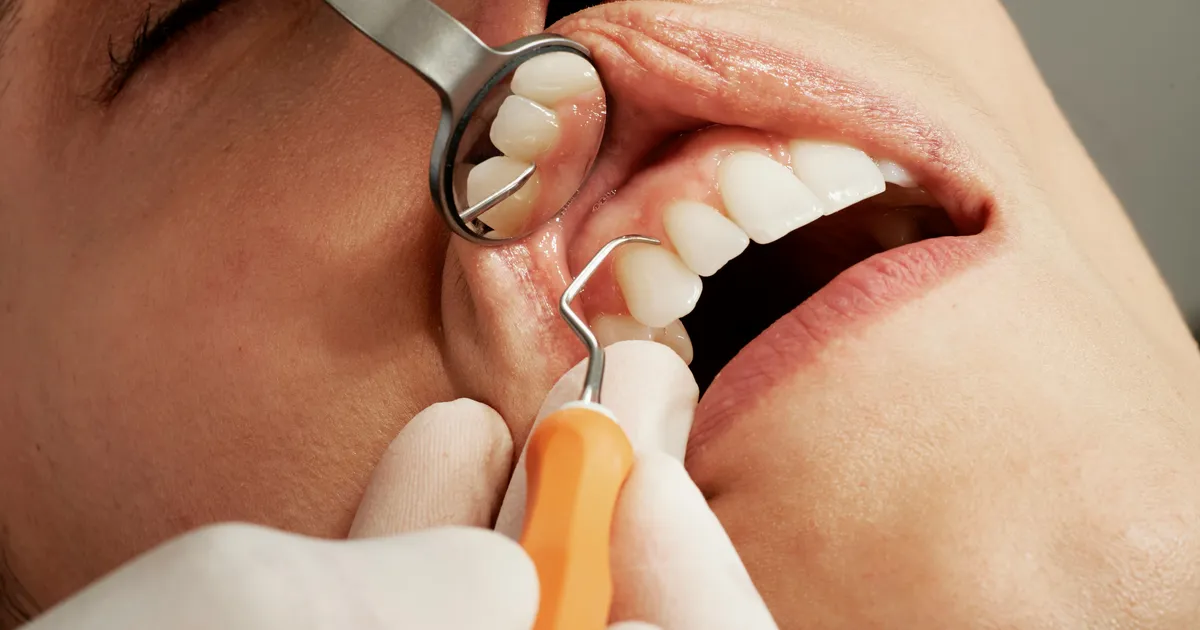

As we age, dental care and oral hygiene become increasingly important, especially for seniors with sensitive teeth. In 2026, it’s essential to prioritize our oral health to prevent complications and maintain a healthy smile. Sensitive teeth can be a significant issue for seniors, causing discomfort and pain while eating or drinking. However, with the right dental care and oral hygiene routines, seniors can manage their sensitive teeth and enjoy a better quality of life.
Understanding Sensitive Teeth
Sensitive teeth are a common problem among seniors, affecting millions of people worldwide. It occurs when the enamel on the teeth wears down, exposing the dentin and causing pain or discomfort. There are several reasons why seniors may experience sensitive teeth, including gum recession, tooth decay, and worn-out fillings.
According to the American Dental Association (ADA), sensitive teeth can be managed with proper dental care and oral hygiene. The ADA recommends visiting a dentist regularly for check-ups and cleanings to prevent oral health issues. For more information, visit the American Dental Association website.
Oral Hygiene Routines
Good oral hygiene is crucial for seniors with sensitive teeth. Brushing teeth at least twice a day with a soft-bristled toothbrush and fluoride toothpaste can help remove plaque and bacteria. It’s also essential to floss daily to remove food particles and debris from between the teeth.
In addition to regular brushing and flossing, seniors can use a desensitizing toothpaste to help reduce tooth sensitivity. These toothpastes contain ingredients such as potassium nitrate, which can help block the dentinal tubules and reduce pain.
Best Practices for Sensitive Teeth
Seniors with sensitive teeth should avoid consuming acidic foods and drinks, such as citrus fruits and soda, which can exacerbate the problem. They should also avoid using a hard-bristled toothbrush or brushing too aggressively, as this can wear down the enamel and cause further sensitivity.
For more information on managing sensitive teeth, visit the Colgate website, which offers a range of oral care products and tips for seniors.
Tips for Daily Care
Seniors can take several steps to care for their sensitive teeth on a daily basis. This includes using a straw when drinking acidic beverages, avoiding chewing ice or hard candy, and wearing a mouthguard at night to prevent grinding and clenching.
Dental Care for Seniors
Regular dental check-ups are essential for seniors with sensitive teeth. A dentist can help identify oral health issues and provide personalized advice on managing sensitive teeth. In 2026, many dentists offer specialized care for seniors, including gentle cleanings and fillings.
According to the Centers for Disease Control and Prevention (CDC), regular dental visits can help prevent oral health problems and detect them early. For more information, visit the Centers for Disease Control and Prevention website.
Products for Sensitive Teeth
There are many products available on the market that can help seniors with sensitive teeth. These include desensitizing toothpastes, mouthwashes, and varnishes. Seniors should look for products that carry the ADA Seal of Acceptance, which indicates that they have met the ADA’s standards for safety and effectiveness.
In 2026, many companies are developing new products specifically designed for seniors with sensitive teeth. These products can help reduce pain and discomfort, making it easier for seniors to eat and drink.
Key Takeaways
- Seniors with sensitive teeth should prioritize good oral hygiene and regular dental check-ups.
- Desensitizing toothpastes and mouthwashes can help reduce tooth sensitivity.
- Avoiding acidic foods and drinks can help prevent further sensitivity.
- Using a soft-bristled toothbrush and gentle brushing technique can help prevent wear and tear on the teeth.
- Regular dental visits can help detect oral health problems early and prevent complications.
Frequently Asked Questions
What causes sensitive teeth in seniors?
Sensitive teeth in seniors can be caused by a range of factors, including gum recession, tooth decay, and worn-out fillings. Other factors, such as genetics and diet, can also contribute to sensitive teeth.
How can I reduce tooth sensitivity?
There are several ways to reduce tooth sensitivity, including using desensitizing toothpastes, avoiding acidic foods and drinks, and practicing good oral hygiene.
What is the best toothpaste for sensitive teeth?
The best toothpaste for sensitive teeth is one that carries the ADA Seal of Acceptance and contains ingredients such as potassium nitrate.
Can I still eat and drink normally with sensitive teeth?
Seniors with sensitive teeth can still eat and drink normally, but they should avoid consuming acidic foods and drinks and use a straw when drinking.
How often should I visit the dentist if I have sensitive teeth?
Seniors with sensitive teeth should visit the dentist regularly, ideally every six months, for check-ups and cleanings.
Conclusion
In conclusion, dental care and oral hygiene are crucial for seniors with sensitive teeth. By prioritizing good oral hygiene, visiting the dentist regularly, and using products specifically designed for sensitive teeth, seniors can manage their sensitive teeth and enjoy a better quality of life in 2026. Remember to always follow the advice of your dentist and take steps to prevent further sensitivity.