

My grandmother, even at 92, was always planning her next pottery class or book club meeting. She truly embodied what it means to age vibrantly. It’s a testament to the profound impact that staying engaged has on one’s quality of life. Finding the best activities for seniors to stay active happy and mentally engaged isn’t just about filling time; it’s about nurturing the spirit, body, and mind. As we navigate the later stages of life, the pursuit of purpose and connection becomes even more vital, shaping not just our daily experiences but our overall well-being. This article delves into practical, enriching ways to ensure these golden years truly shine.
Embracing Physical Movement
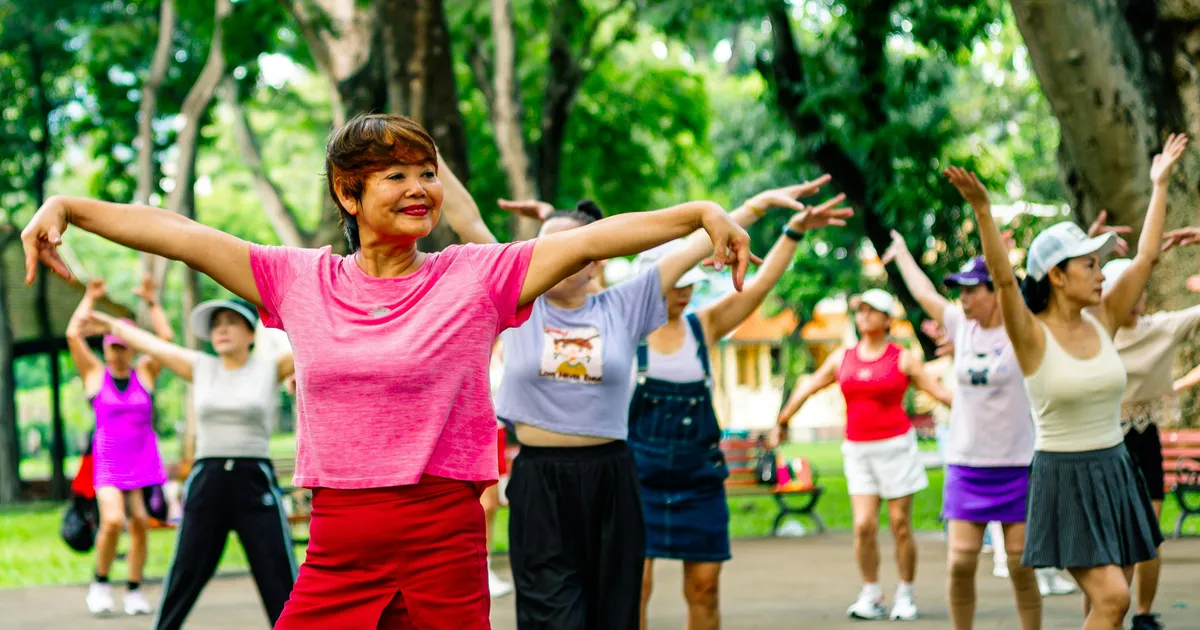
One of the most powerful catalysts for overall well-being in later life is consistent physical activity. It doesn’t mean training for a marathon, but rather finding enjoyable ways to keep the body moving and blood flowing. Gentle exercises like walking, swimming, or tai chi can significantly improve cardiovascular health, maintain bone density, and enhance balance, dramatically reducing the risk of falls. Even gardening, with its blend of light exertion and connection to nature, serves as a fantastic full-body workout that many seniors cherish. The key is to discover activities that bring joy, making consistency much easier to achieve.
Beyond the obvious physical benefits, regular exercise profoundly impacts mental and emotional health. Endorphins released during activity act as natural mood elevators, helping to combat feelings of loneliness or depression. A brisk walk with a friend, for instance, combines physical exertion with valuable social interaction, hitting two vital birds with one stone. It’s about building a sustainable routine, perhaps with a goal in mind for 2026, like joining a local walking group or mastering a new yoga pose. Always consult with a healthcare provider to ensure chosen activities are safe and appropriate for individual health conditions.
The Joy of Gentle Movement
Sometimes, the greatest benefits come from the simplest movements. Focusing on flexibility and strength through practices like seated chair yoga or water aerobics can be incredibly effective, especially for those with mobility challenges. These activities minimize impact on joints while still promoting muscle strength and range of motion. The emphasis should always be on mindful movement, listening to your body, and celebrating small victories. Even everyday tasks, approached with intention, contribute to staying physically fit and agile, ensuring independence and vitality. It truly is about moving more, and moving often.
Stimulating the Mind Daily
Keeping the brain active is just as crucial as keeping the body fit. Engaging in mentally stimulating activities can help maintain cognitive function, improve memory, and even potentially delay the onset of cognitive decline. This doesn’t necessarily mean complex academic pursuits; simple daily habits like reading diverse genres, tackling crossword puzzles, or learning a new language can make a significant difference. Online courses and community college classes offer accessible avenues for continuous learning, sparking curiosity and introducing new concepts, which is incredibly enriching.
Another excellent way to engage the mind is through strategic games and hobbies. Chess, bridge, mahjong, or even digital brain-training apps challenge problem-solving skills and critical thinking in an enjoyable format. Learning a musical instrument, regardless of prior experience, creates new neural pathways and demands significant cognitive effort, providing immense satisfaction. These pursuits not only sharpen the intellect but also offer opportunities for social interaction and a profound sense of accomplishment, proving that learning truly is a lifelong journey.
Cultivating Social Connections
Human beings are inherently social creatures, and maintaining strong social ties is paramount for happiness and mental well-being, especially in later life. Isolation can have detrimental effects on both physical and mental health, often leading to feelings of sadness or anxiety. Actively seeking out opportunities for social interaction, whether through joining clubs, volunteering, or simply regularly connecting with friends and family, can provide immense emotional support and a sense of belonging. These connections offer shared experiences, laughter, and a vital network of care.
Community centers, senior groups, and places of worship often host a variety of events and activities specifically designed to foster connection. Participating in book clubs, craft groups, or local interest societies can introduce you to new people with shared passions. Even embracing technology to connect with distant loved ones through video calls or social media can bridge geographical gaps. Prioritizing social engagement is one of the best activities for seniors to stay active happy and mentally engaged, enriching life with shared moments and mutual support. For more resources on fostering social connections, visit the AARP website.
Unleashing Creative Expression
Many seniors discover a newfound passion for creative pursuits, finding immense joy and therapeutic benefits in artistic expression. Whether it’s painting, pottery, writing poetry, or playing a musical instrument, engaging the creative side of the brain offers a unique outlet for emotions and self-discovery. These activities don’t require prior talent or experience; the focus is on the process, the exploration, and the personal satisfaction derived from creating something new. Local art classes or online tutorials make these pursuits accessible to everyone.
The act of creation can be incredibly meditative, reducing stress and fostering a sense of calm. Furthermore, sharing creative work, even informally with friends or family, can boost self-esteem and provide a sense of accomplishment. Storytelling, whether written or oral, is another powerful form of creative expression that allows seniors to share their rich life experiences and preserve their legacy. Embracing creativity adds a vibrant dimension to daily life, proving that the capacity for imagination and innovation never truly diminishes.
Finding Purpose and Contribution
A sense of purpose is a cornerstone of happiness and well-being at any age, and it remains incredibly important for seniors. Contributing to something larger than oneself provides meaning and validates one’s worth and experience. Volunteering for a cause you believe in, mentoring younger individuals, or taking on a leadership role within a community group can offer profound satisfaction. These roles leverage a lifetime of wisdom and skills, ensuring that valuable experience continues to benefit others and provide personal fulfillment.
Even smaller acts of contribution, like helping a neighbor, caring for a pet, or nurturing a garden that benefits others, can instill a strong sense of purpose. The feeling of being needed and making a tangible difference combats feelings of irrelevance or loneliness. Many organizations specifically seek the wisdom and reliability of senior volunteers, recognizing their invaluable contributions. Finding meaningful ways to contribute is undeniably among the best activities for seniors to stay active happy and mentally engaged, fostering a legacy of positive impact well into 2026 and beyond. For more on the benefits of volunteering, explore resources from the National Institute on Aging.
Key Takeaways
- Holistic Engagement is Key: True well-being for seniors stems from a balanced approach that nurtures physical health, cognitive vitality, social connections, and emotional expression. Neglecting any one area can significantly impact the others.
- Personalization Matters: The “best” activities are those that genuinely resonate with an individual’s interests, abilities, and comfort levels. Exploration and personal choice are crucial for sustainable and enjoyable participation.
- Social Connection Prevents Isolation: Actively seeking and maintaining social ties is not merely a pleasant pastime but a critical component of mental and emotional health. Group activities, family interactions, and community involvement combat loneliness.
- Purpose Fuels Happiness: Having a sense of purpose, whether through volunteering, mentoring, or personal projects, provides meaning and motivation. Contributing to others or pursuing personal goals ensures later life remains fulfilling.
Frequently Asked Questions
How often should seniors engage in physical activity?
For most seniors, the recommendation is at least 150 minutes of moderate-intensity aerobic activity per week, along with muscle-strengthening activities on two or more days. This can be broken down into shorter, manageable chunks. Consistency is key, and always consult a doctor before starting any new exercise regimen to tailor it to individual health needs. Listen to your body and prioritize safety. For detailed guidelines, refer to the CDC’s recommendations for older adults.
What if a senior has limited mobility?
Limited mobility doesn’t mean an end to activity. Many adaptive exercises exist, such as chair yoga, seated aerobics, water therapy, or even hand and finger exercises for dexterity. Focus on activities that can be modified, like gardening in raised beds or playing board games. The goal is to move safely within one’s comfort zone, maintain flexibility, and stimulate the mind, ensuring continued engagement despite physical limitations.
How can seniors overcome feelings of isolation?
Overcoming isolation often requires proactive steps. Joining local senior centers, community groups, or clubs centered around shared hobbies (e.g., book clubs, knitting circles) are fantastic starting points. Volunteering for a cause can also provide purpose and introduce new social circles. Technology, such as video calls with family or online interest groups, can bridge distances. Consider pet ownership for companionship, if feasible, as animals offer unconditional love and a reason to stay active.
Are brain games truly effective for mental engagement?
While specific “brain games” might offer some benefits for particular cognitive functions, a more holistic approach to mental engagement is generally recommended. This includes a diverse range of activities like learning new skills (a language, an instrument), reading widely, engaging in challenging conversations, and puzzles. The key is novelty and challenge – consistently exposing the brain to new information and complex tasks helps maintain cognitive agility. A combination of social interaction and intellectual stimulation is often most effective.
Conclusion
The journey through our senior years can be one of profound joy, continued growth, and meaningful contribution. By intentionally embracing the best activities for seniors to stay active happy and mentally engaged, we lay the foundation for a life rich in experiences and connections. It’s about proactive choices – from a morning walk to a new hobby class – that collectively create a vibrant tapestry of well-being. Remember, age is merely a number; the spirit of curiosity, engagement, and purpose can thrive indefinitely, making every day an opportunity for happiness and fulfillment.